What we hear is shaped by what gets amplified
Most people encounter science through headlines, summaries, and institutional statements.
Those channels tend to highlight studies that align with existing regulatory standards.
Research that asks questions that challenge vested interests and profit-margins often receive less visibility.
Public understanding reflects exposure — not the full landscape of inquiry.
Biology rarely behaves in straight lines
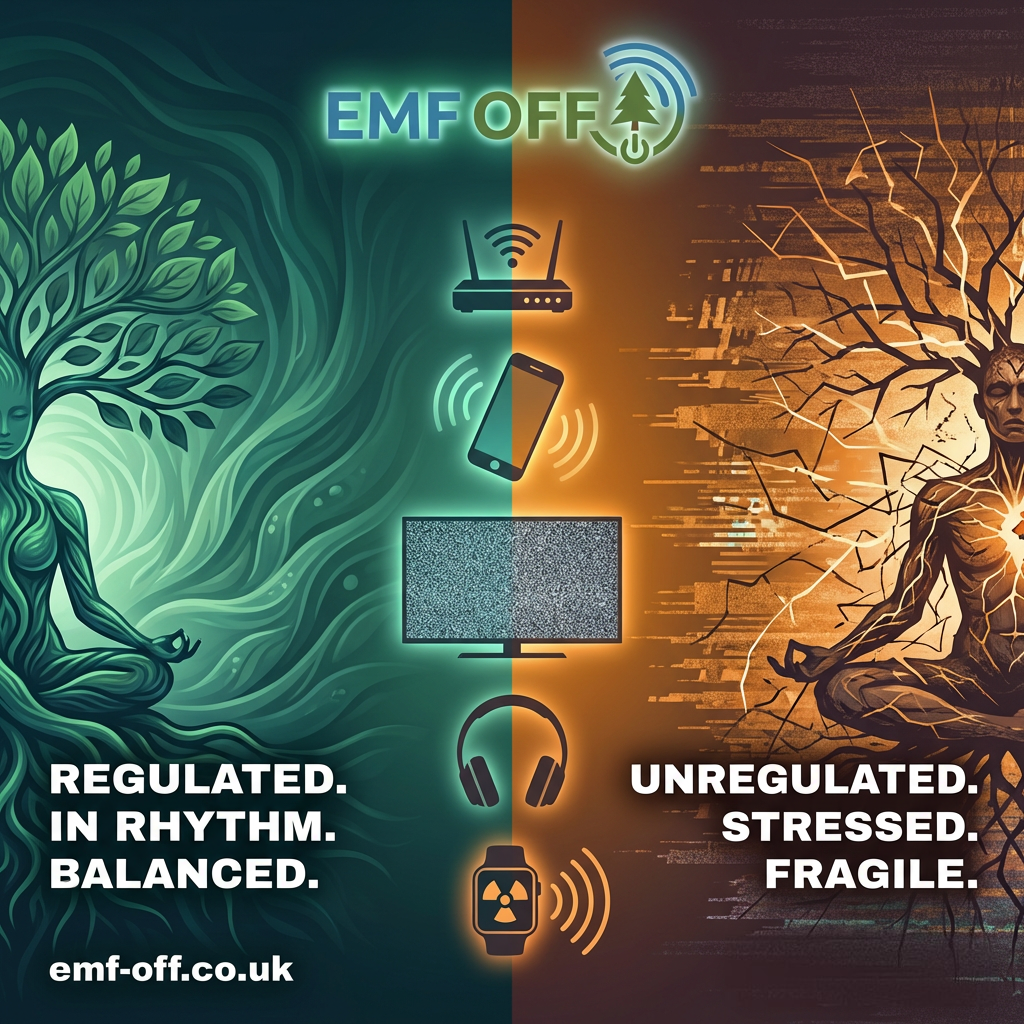
Living systems adjust to stressors.
They compensate, adapt, and rebalance.
A short-term study may show no or little effect because the body soon stabilises.
The same qualification rarely applies to long-term outcomes.
Small changes can accumulate quietly.
Not all biological effects are dramatic or immediate.
Subtle shifts in sleep, attention, or stress regulation can build over time.
Gradual patterns are harder to detect than acute injuries.
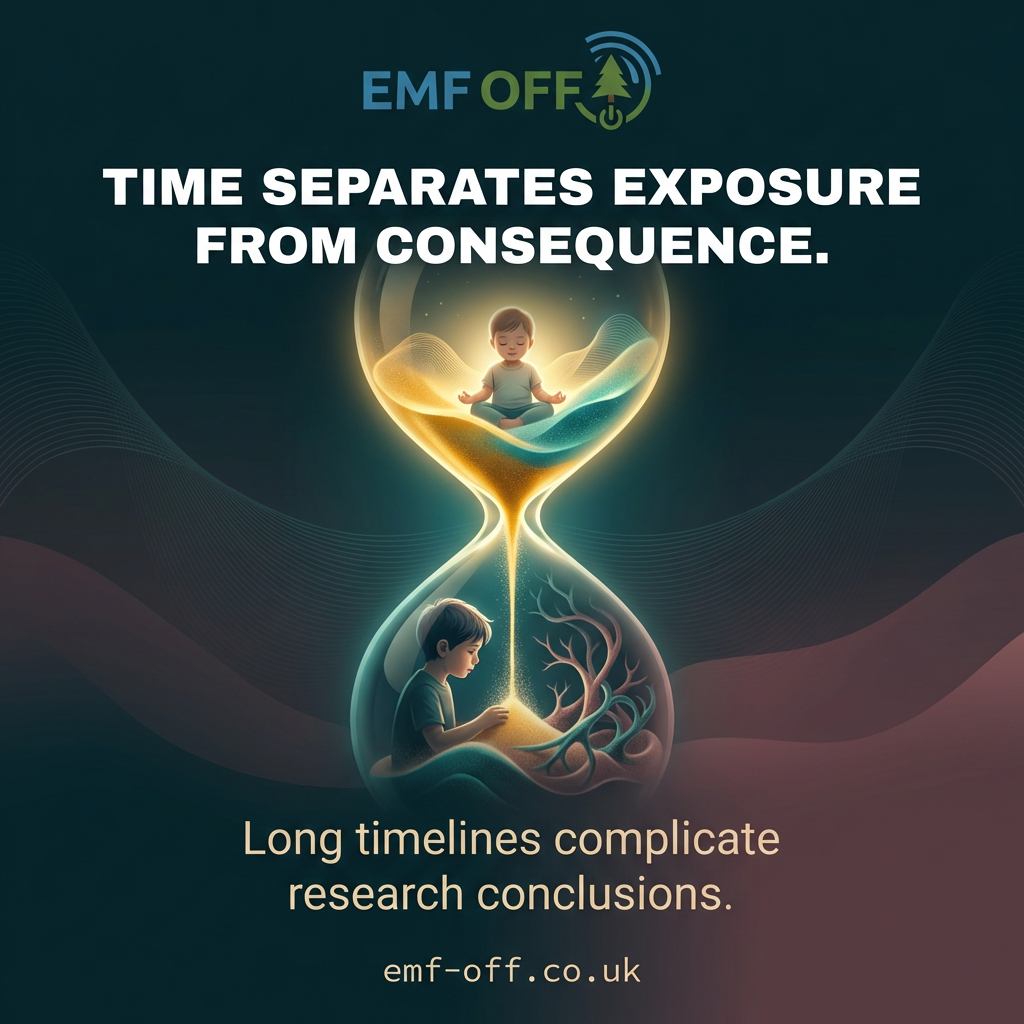
Time separates exposure from consequence.
Some developmental impacts take years to become visible.
By the time patterns emerge, the original exposure window may be long past.
Long timelines complicate research conclusions.
Research design shapes conclusions
There are thousands of peer-reviewed studies reporting biological effects of EMF and RF radiation on human health.
Other studies report no measurable impact - nearly always under specific conditions.
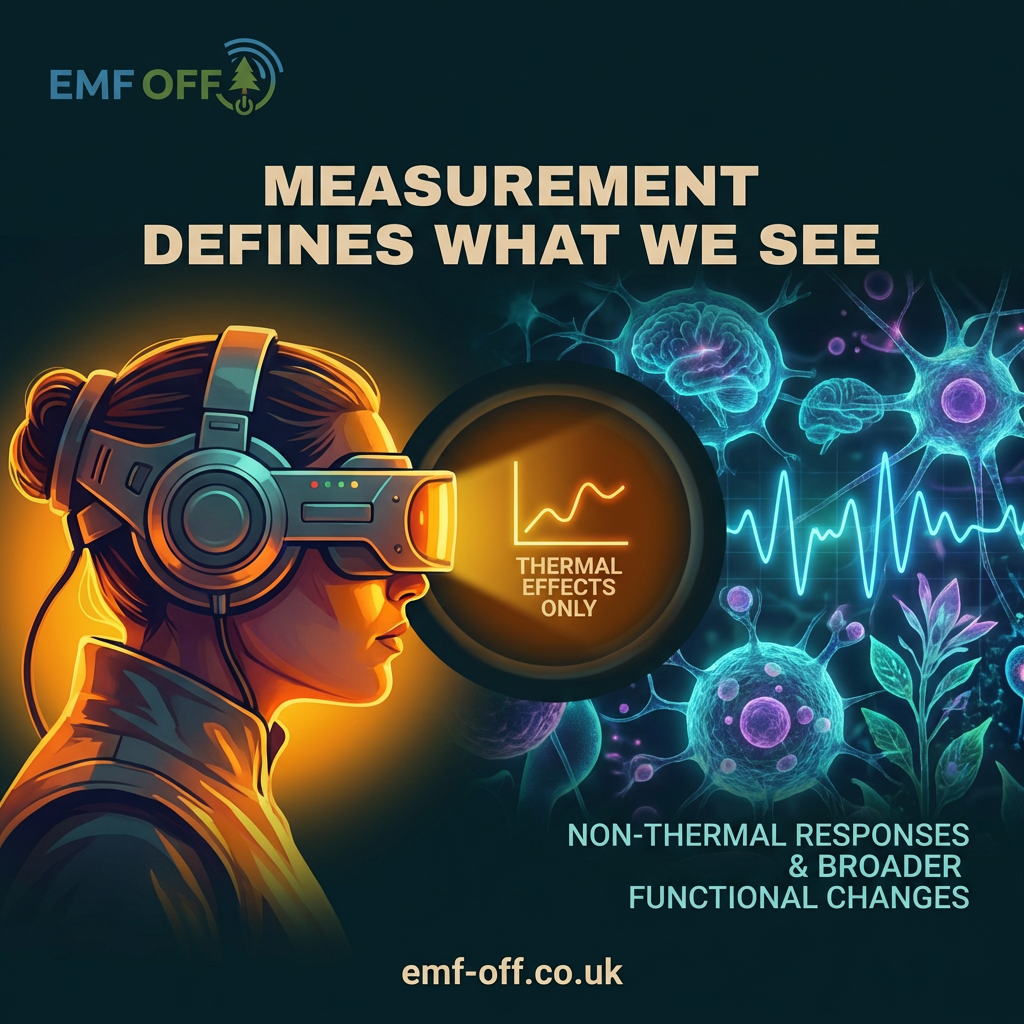
Disagreement often hinges on what constitutes "harm". If biological effects other than tissue heating are ignored - then findings must conclude safety.
How harm is defined determines whether it is recognised.
Regulatory models do not exist in isolation
Exposure guidelines built around thermal limits support current technological deployment models.
Expanding definitions triggers regulatory, legal, and infrastructure changes. Industries resist shifts that introduce large-scale uncertainty or cost.
Incentive structures shape which scientific models gain traction.
Regulation follows consensus
For policy to change - evidence must be overwhelming and irrefutable.
Before the point where evidence is undeniable, standards usually remain unchanged.
This creates a clear incentive to avoid consensus.
Knowledge is usually siloed in regulatory systems
Research funding priorities, regulatory frameworks, and industry participation influence what questions are asked.
Uncertainty does not arise without enormous pressure.
Tomorrow: how those structures shape scientific narratives.