

Where to go next
If this resonates, the next step is not to jump to conclusions — but to understand what science actually says, what it does not say, and where uncertainty remains.

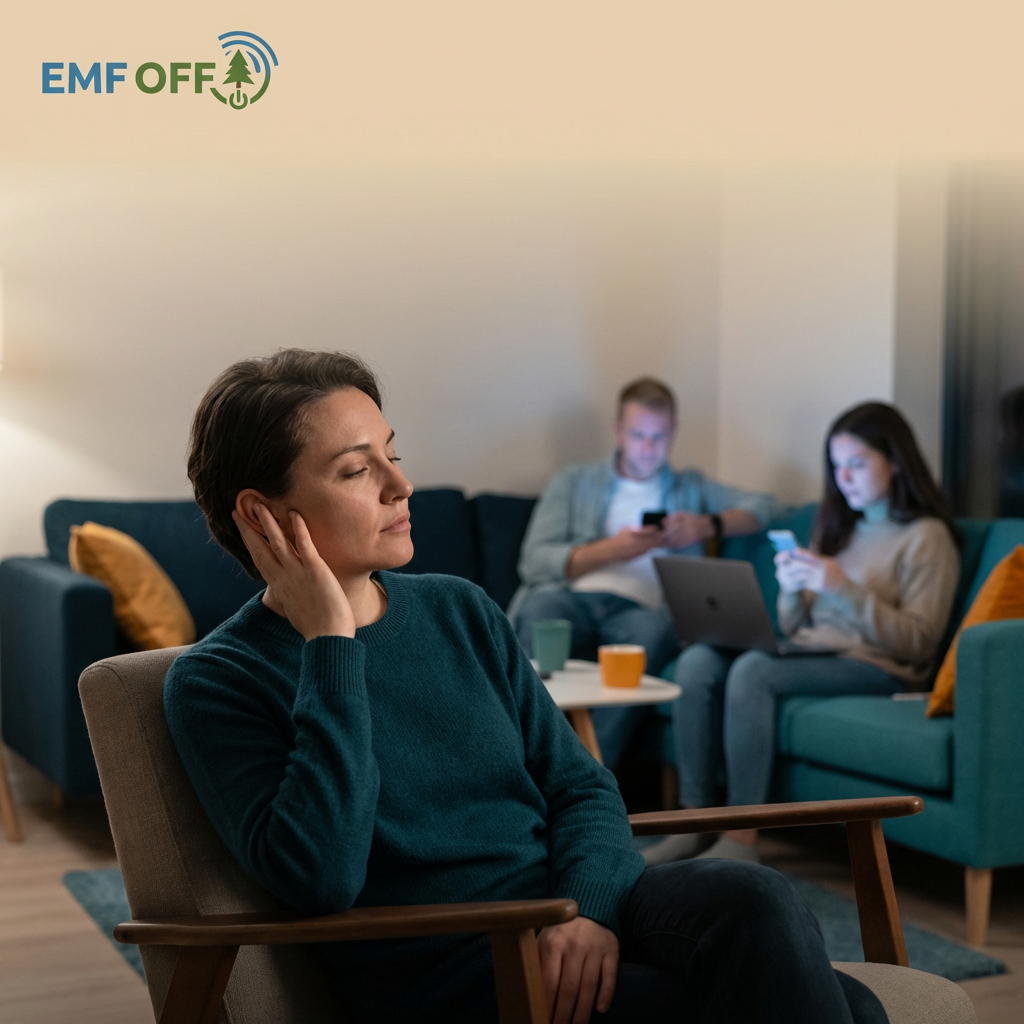
People who later begin questioning environmental factors often describe patterns such as:
These symptoms are common and non-specific. They can have many causes — and in most cases, no single explanation is obvious.
Pattern recognition
For most people, electromagnetic fields (EMFs) and radiofrequency (RF) exposure are not an obvious place to look for answers. They are invisible, poorly explained in public discourse, and generally assumed to be harmless at everyday levels.
Many people only begin to question a possible connection after noticing repeated patterns — symptoms appearing in certain environments, improving during time away, or intensifying after changes in exposure.
Social response
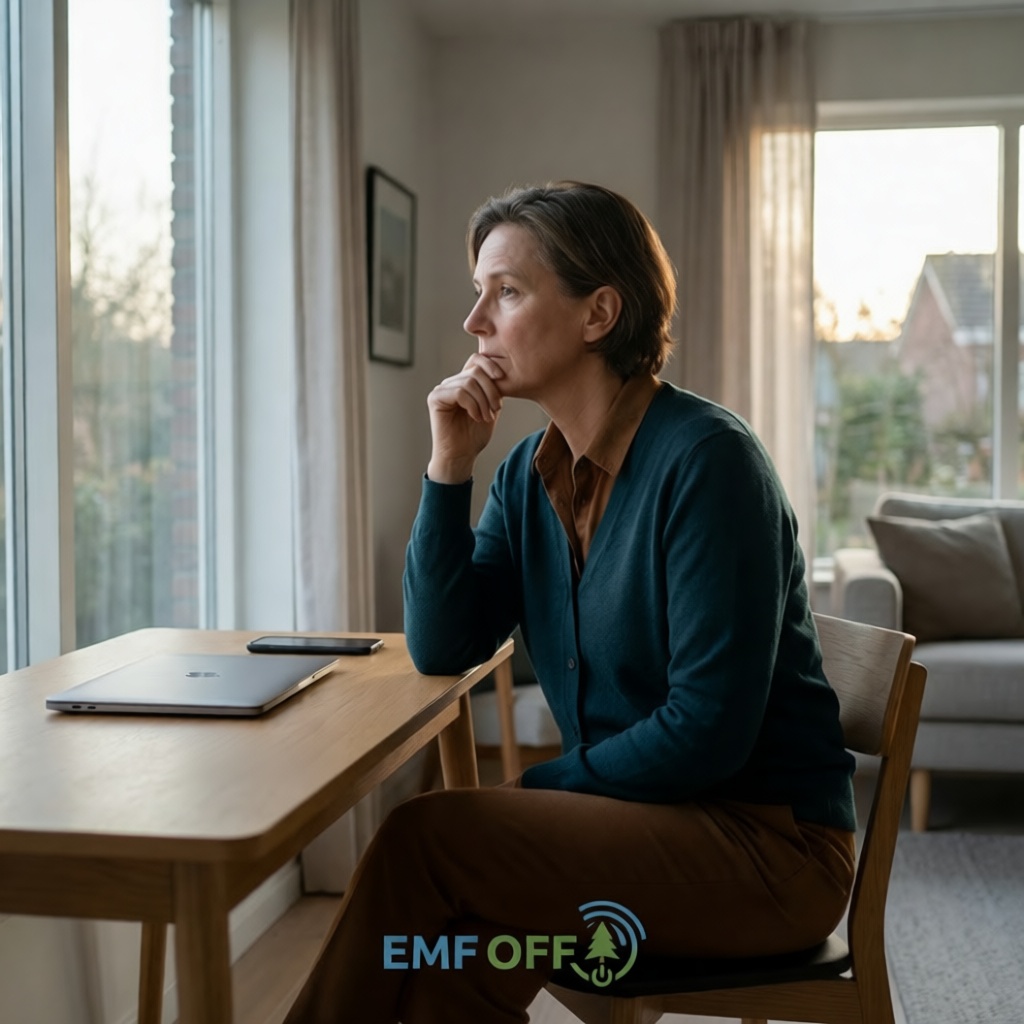
People who voice concerns about EMFs and health often report being dismissed, minimised, or ridiculed — by clinicians, peers, or online commentators.
Suggestions of a connection are frequently met with strong emotional reactions: impatience, sarcasm, or accusations of irrationality. This can be disorienting, especially when someone is simply describing their lived experience.
Strong reactions do not necessarily reflect certainty. More often, they reflect how difficult the topic itself is to discuss calmly.
Stepping back
Go deeper
This page stays intentionally light so it can be read without getting pulled into arguments. If you want more detail—reported symptoms, common patterns, and what kinds of studies exist—use the links below.
Prefer the guided version? You can also start Day 1 and follow the sequence.
If this resonates, the next step is not to jump to conclusions — but to understand what science actually says, what it does not say, and where uncertainty remains.