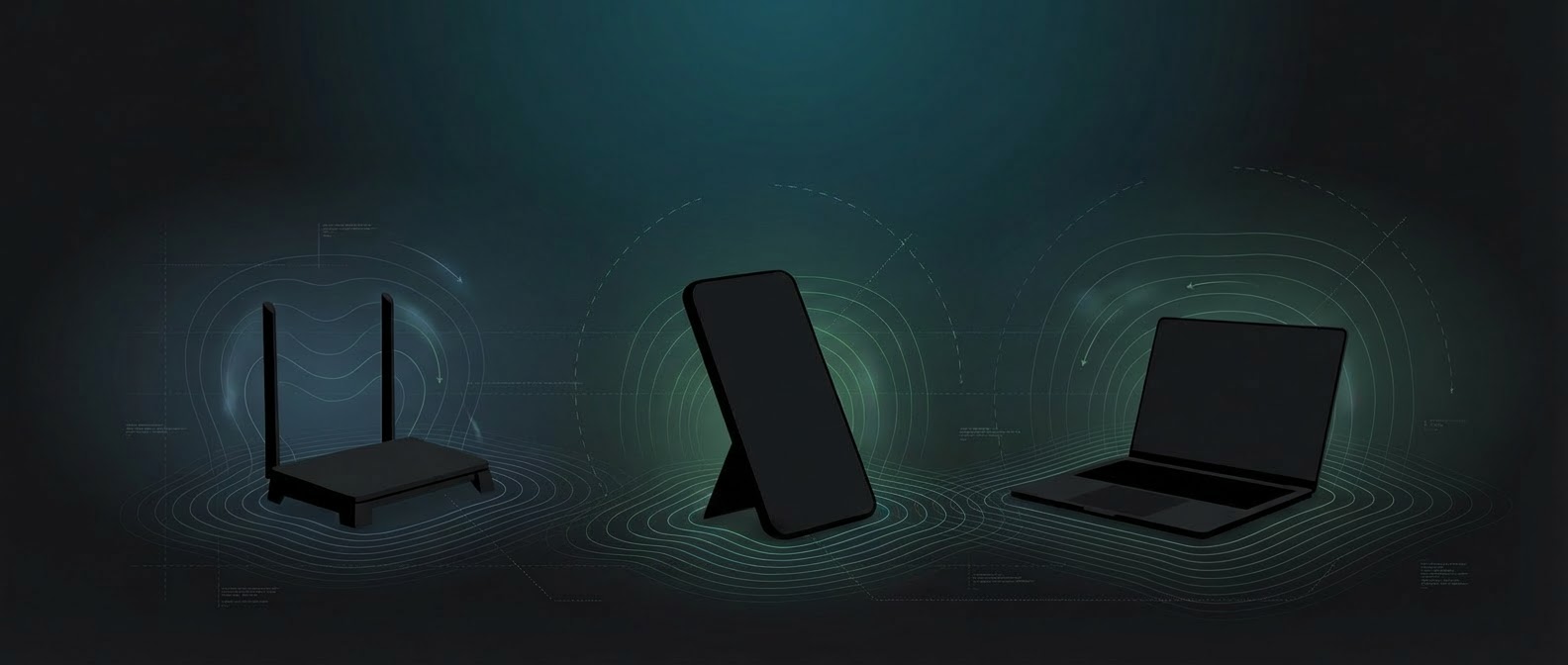
Devices in a modern wireless environment
What you can do
Everyday practical steps
This page is about simple changes you can try first — the kind that are low-cost, reversible, and don’t require an overhaul. We consider RF (wireless), electric fields, and magnetic fields, because in real homes and workplaces these often overlap.

Keep what helps. Drop what doesn’t.

How to use this

Make one change at a time (and give it room to show)

The most common mistake is doing ten things at once — then not knowing what mattered. Start with one change, keep everything else stable, and observe for a few days. If you notice an improvement, keep it and move to the next.

Use a “good enough” standard. The goal is not zero exposure or a perfect setup — it’s reducing unnecessary load in the places that matter most, especially where you spend many hours.

Tip: if you’re tracking anything, track just two things: sleep quality and daytime cognitive/physical bandwidth.
Highest leverage

Start with the sleep environment

A simple rule of thumb: prioritise the places you spend the most time — especially sleep — and reduce nearby sources first.

Wireless (RF) basics

  • Keep phones off the bed and away from the pillow area.
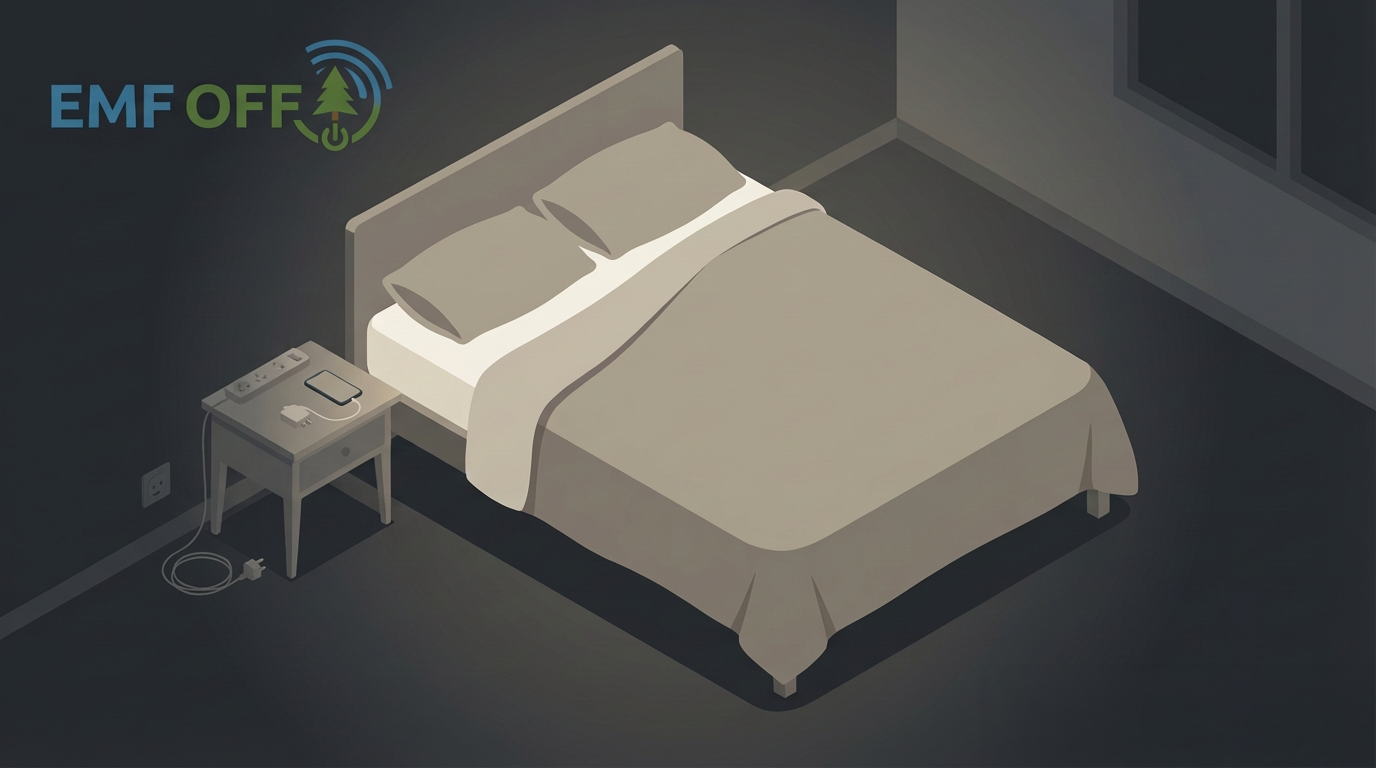
  • If possible, avoid charging a phone on the bedside table overnight.
  • Prefer airplane mode at night if you don’t need connectivity.
  • Move routers away from bedrooms where practical (distance helps).

Electric-field basics

  • Avoid extension leads and power strips near or under the bed.
  • Keep mains-powered devices away from the headboard area.
  • Don’t place the bed against a wall that is heavily wired if you can avoid it.
  • Unplug chargers near the bed when not in use.

The point isn’t to “eliminate everything”. It’s to reduce the most concentrated sources in the one place you spend ~7–9 hours.

Simple physics

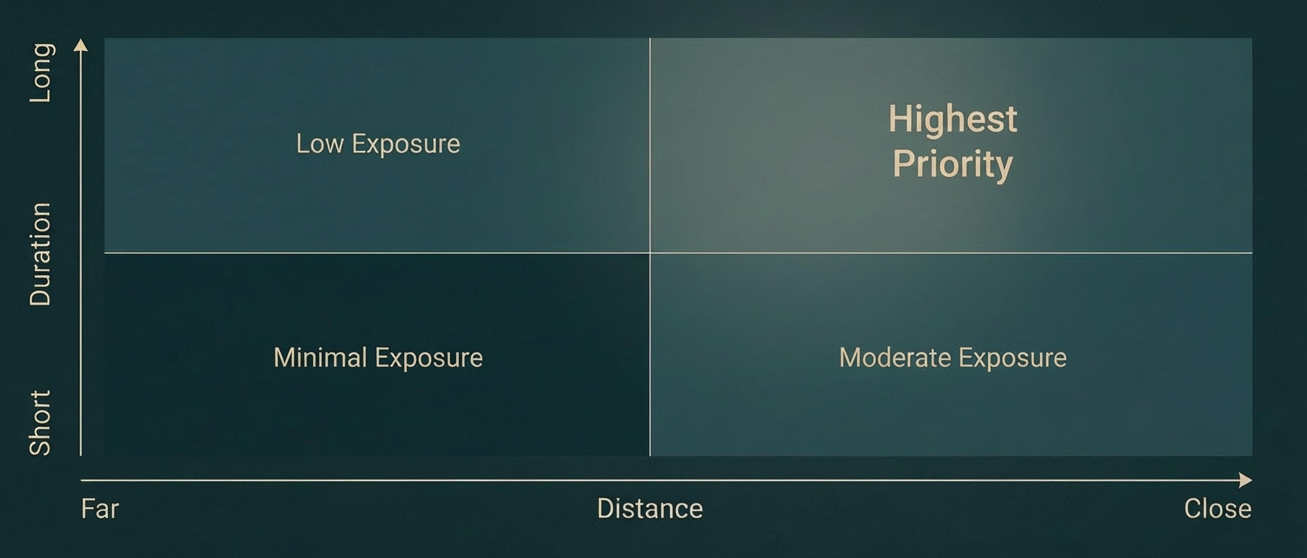
Distance and duration beat complexity

Prioritise “close + long” first. Distance and duration usually matter more than complex interventions.

In everyday life, two factors often dominate: how close a source is, and how long you’re exposed. Before you chase technical detail, try changing proximity and time.

Practical examples: don’t carry a transmitting device against the body when you don’t need to; avoid sitting directly next to routers or smart hubs for long periods; choose wired options where it’s easy.

Low-effort shift

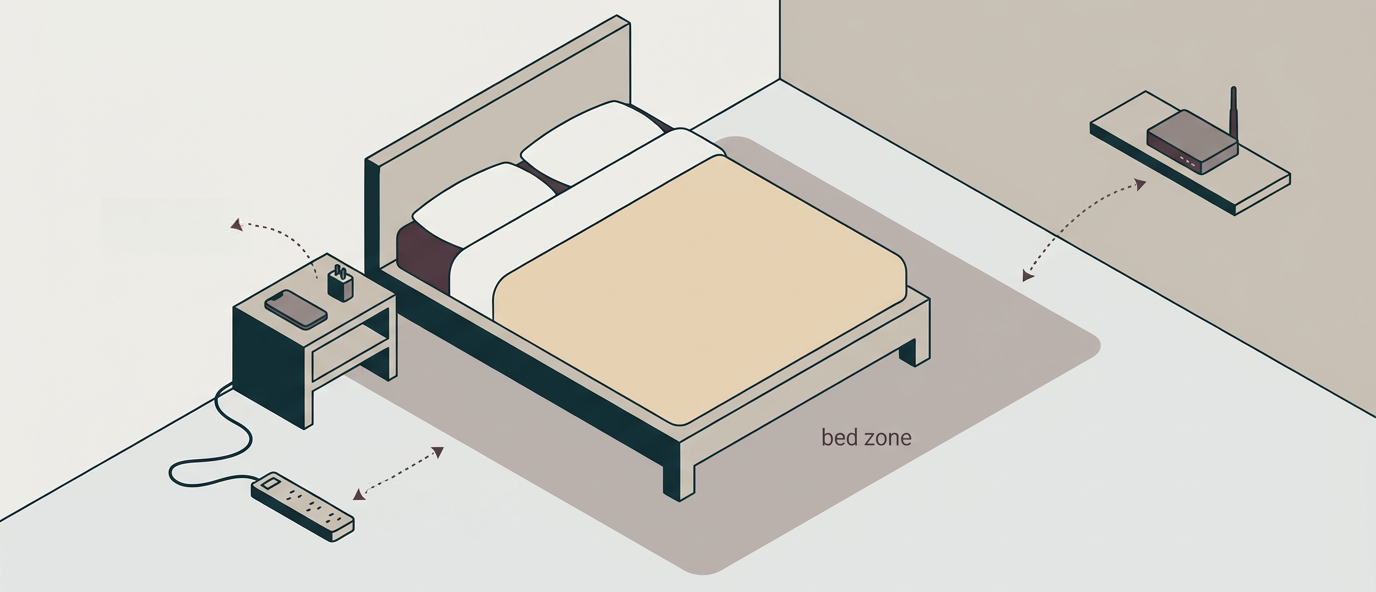
Move sources a little further away: bedside tables, desks, sofas, routers on shelves. Small distance changes can sometimes matter more than people expect.

Low-effort reduction

Reduce unnecessary “always-on” time: turn off what you aren’t using, especially overnight and during recovery periods.

Daily habits

Everyday adjustments that cost nothing

Aim for a calmer “sleep zone”: fewer nearby sources during the hours you spend in bed.

At home

  • Keep routers and hubs out of “rest zones” where possible.
  • Don’t sit with a high-output source right beside your torso for hours.
  • Unplug devices you don’t need overnight (especially near bedrooms).
  • Prefer wired connections for fixed devices when convenient.

At work / in public

  • Choose seating that isn’t right next to obvious sources when you can.
  • Take short “low-stimulus breaks” in quieter areas if you feel overloaded.
  • Use distance rather than confrontation — move yourself, don’t argue.
  • Keep your own transmitting devices off-body when practical.

Avoid rabbit holes

What not to do (yet)

Don’t start with expensive interventions or complex tools. If you haven’t tried the basics, it’s easy to spend time and money without learning what actually matters in your context.

Also avoid chasing “perfect” or “zero” conditions. Real environments are messy. The aim is meaningful reduction where you can, not total control.

  • Don’t buy equipment or meters before you’ve tried simple distance/time changes.
  • Don’t implement ten changes at once (you lose the signal).
  • Don’t turn precaution into fear — calm experimentation works better.