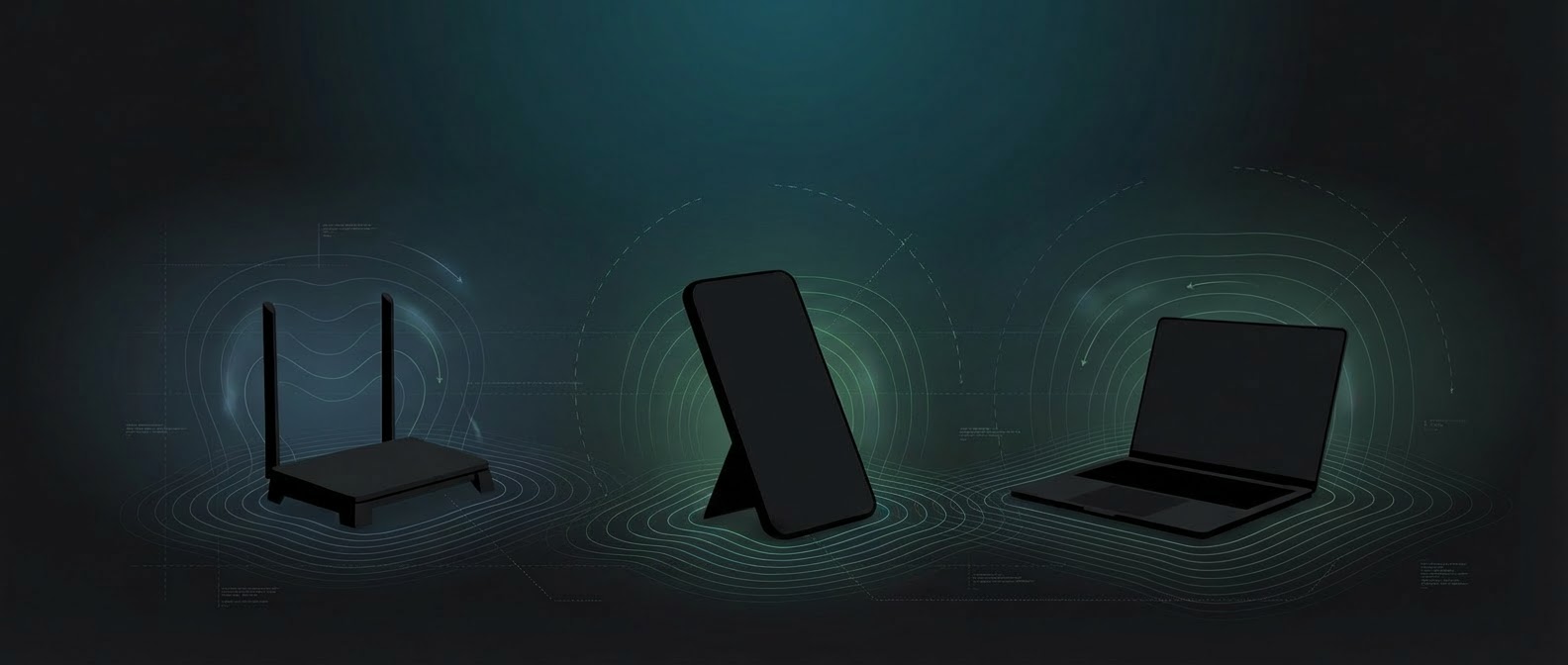
Devices in a modern wireless environment
TARGETED SUBSTITUTIONS
Practical swaps
Practical swaps are not about eliminating all exposure.

They are about removing the worst sources of close and continuous load, especially those attached to the body or operating 24/7.

How to use this

Think in terms of proximity and continuity

The most important question is not “is this wireless?” but how close is it to my body, and how long is it active? Devices worn on the body or carried continuously tend to dominate exposure.

This page focuses on swaps that remove those high-leverage sources first. Environmental factors and shared sources are addressed later — because personal swaps alone are not enough.

Keep what helps. Drop what doesn’t. Avoid assuming one change “covers everything”.
Highest priority

Devices worn on or carried against the body

Wearables

  • Smartwatch → analogue watch (or remove entirely)
  • Fitness tracker worn 24/7 → limit to short, intentional use
  • Sleeping with wearables → remove overnight

Audio devices

  • Wireless earbuds for long sessions → wired alternative
  • Head-close wireless audio → speakerphone when possible
  • Always-on Bluetooth → disable when not in use

Phones carried on-body

  • Phone in pocket → carry away from the body when practical
  • Phone against the torso for hours → place on desk or bag
  • Sleeping with phone on-body → move away from the bed

Removing continuous, body-coupled sources usually produces the largest reduction.

Common misunderstanding

Phones transmit even when you think they don’t

Important: “Off” doesn’t always mean radio silent. On some iPhone models, Find My can remain active even after power-off (you may see “iPhone Findable After Power Off”). If you want the lowest practical emissions, use distance first (keep the phone out of the room / away from the bed), and consider disabling Find My network features if you don’t need them.

In practical terms, this means that simply toggling airplane mode may not reduce exposure as much as people expect.

If you don't want to switch Find My off, distance from the body, overnight placement, and limiting background services will help to some extent.

A phone kept away from the body is usually more effective than a phone with “perfect” settings kept close.

Often overlooked

Electrical fields and standby power

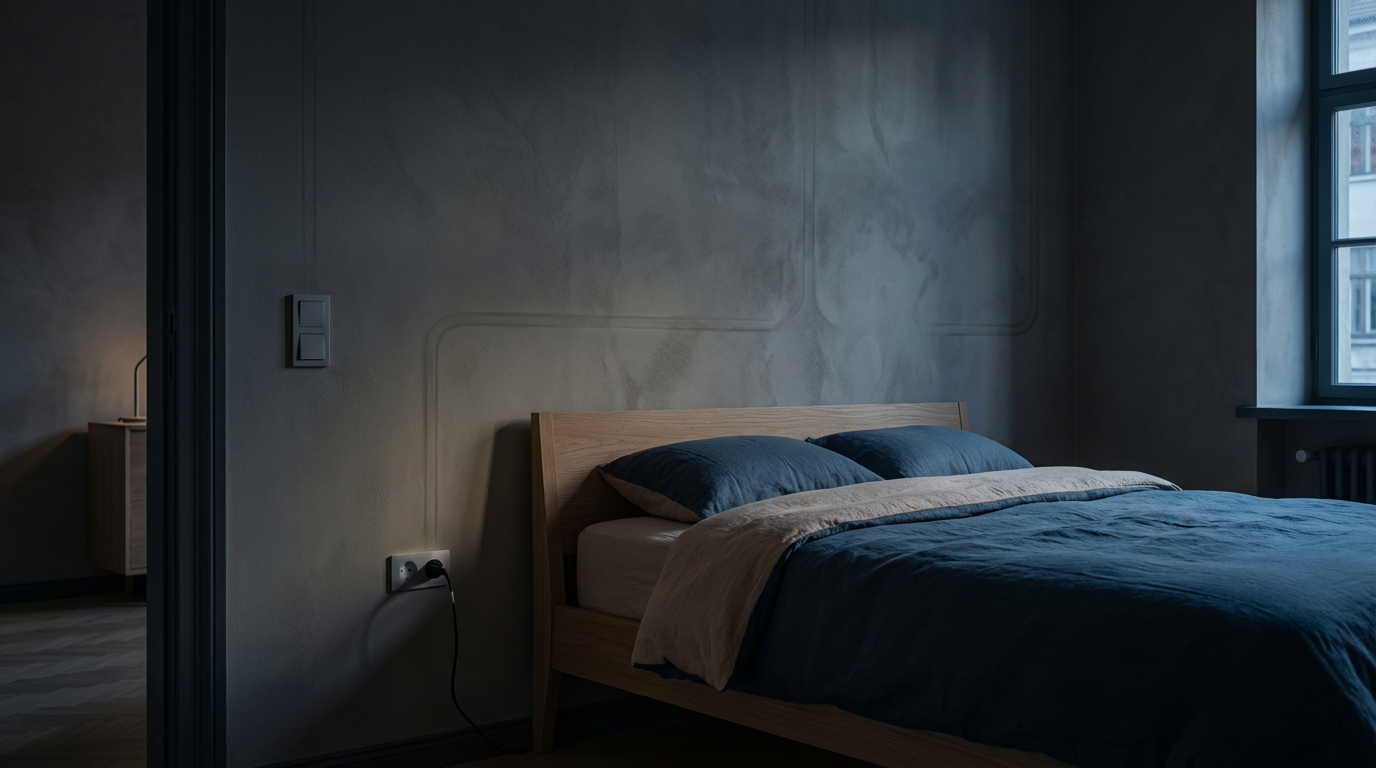
Not all exposure is wireless. Electric fields from live wiring, outlets, extension leads, and devices drawing standby power can be present even when devices appear “off”.

Reducing wireless sources while sleeping next to live wiring or powered outlets can create a false sense of security. Both need to be considered together.

  • Avoid extension leads and power strips near the bed
  • Unplug chargers and devices near sleeping areas when not needed
  • Avoid placing the bed against heavily wired walls if alternatives exist
  • Remember: devices in standby often still draw power

Reality check

What swaps can’t fully solve

Personal swaps reduce your contribution to exposure, but they don’t control sources outside your space — neighbours’ routers, shared wiring, or building-level infrastructure.

Turning off your Wi-Fi may help, but it won’t remove a router next door or below you. This is why some situations require measurement or environmental assessment, not just personal changes.

Swaps are a first step, not a guarantee. Be wary of conclusions that feel too reassuring.