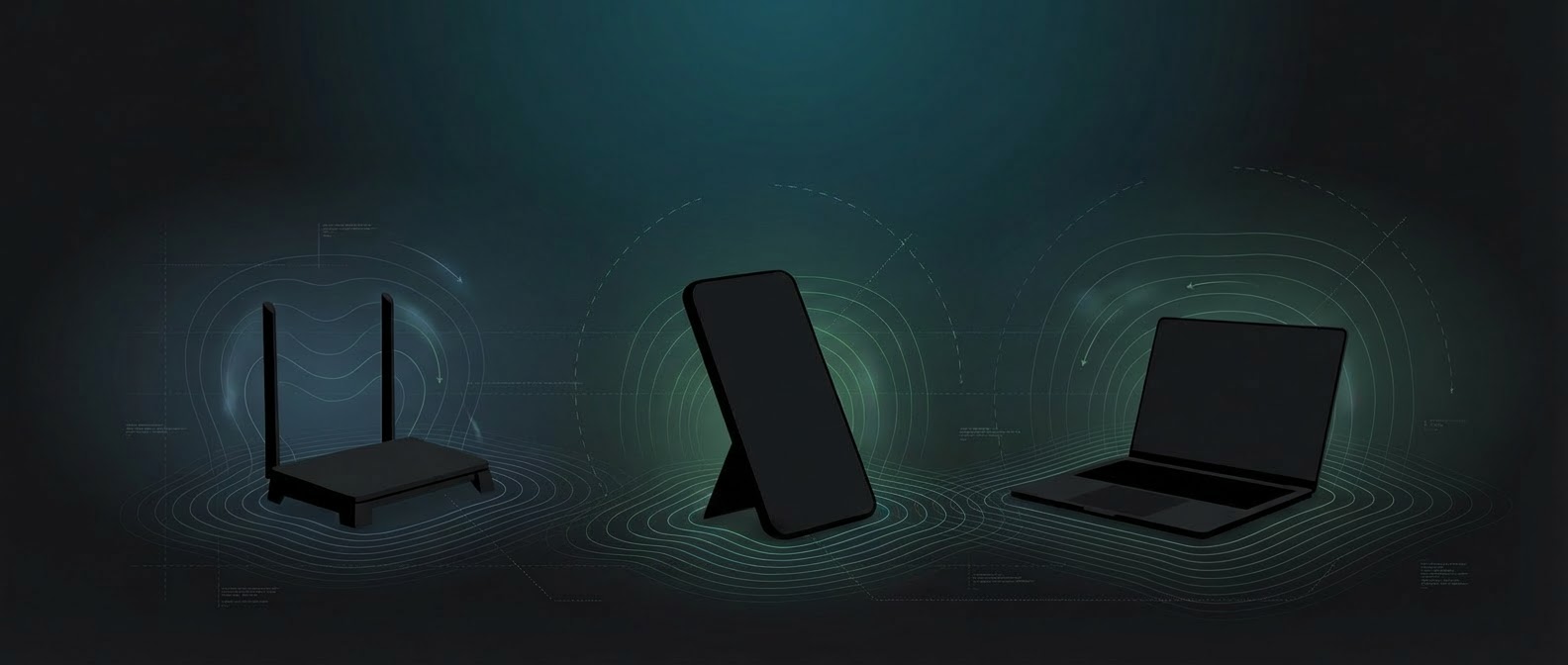
Devices in a modern wireless environment
THE PROBLEM · DETAIL
Reported symptoms & patterns
This page summarises commonly reported experiences associated with RF/EMF exposure.

It does not assume a single cause, and it does not replace medical diagnosis.

How to read this page

  • Descriptive, not diagnostic: symptoms can have many causes.
  • Patterns matter: people often report correlations with environments.
  • Uncertainty is normal: noticing ≠ concluding.

If you’re currently unwell, consider speaking to a clinician to rule out common causes first.

Commonly reported symptom clusters for EMF & RF sensitivity

Neurological / cognitive

  • headache, head pressure
  • brain fog, concentration difficulty
  • fatigue that feels “wired but tired”
  • tinnitus or sound sensitivity

Sleep / arousal

  • difficulty falling asleep, insomnia, frequent waking
  • unrefreshing sleep, REM sleep deficit
  • night sweats, night-time agitation
  • restless legs syndrome

Autonomic / stress-like

  • palpitations, “buzzing” sensation
  • anxiety-like activation, irritability
  • temperature dysregulation
  • lightheadedness, derealisation

Sensory / skin

  • burning/tingling, hot/cold sensations
  • skin irritation or rash without clear trigger
  • eye strain or visual discomfort
  • general sensory overload

Physical

  • muscle weakness, twitching (fasciculations)
  • sharp chest pain (non-cardiac), elevated blood pressure
  • leg cramps, neuropathy-like sensations
  • generalised pain, nosebleeds

Systemic

  • endocrine or thyroid disruption (reported)
  • respiratory symptoms (asthma flare, cough)
  • nausea, flu-like symptoms
  • recurrent infections (e.g., sinus or ear)

These clusters overlap heavily with other conditions. The distinctive feature, when it appears, is the reported relationship to place and exposure context.

Patterns people often describe

  • Place-linked worsening: symptoms flare in specific locations and ease elsewhere such as when outdoors, or on vacation.
  • Time-linked change: symptoms shift after moving house, new router installs, workplace changes.
  • Threshold effects: “fine until a point,” then disproportionate worsening.
  • Recovery lag: improvement may take hours or days after leaving an environment.

Lived experience

What people describe living with

Many people who raise concerns about RF/EMF environments describe experiences that are profoundly disruptive to daily life. The accounts below are anonymised descriptions of what people say they live with. They are included to humanise the patterns described above, not to replace medical evaluation or to assume a single cause.

“It wasn’t just headaches. It was losing the ability to think clearly, to sleep properly, to function day after day. I kept being told it was stress, but the symptoms didn’t stop. The worst part was realising no one was willing to even take the pattern seriously.”

— Anonymised account

“My life became smaller. I avoided places, struggled to work, and felt constantly on edge. When I tried to explain it, the reaction was eye-rolling or ridicule. Being dismissed was almost worse than the physical symptoms.”

— Anonymised account

“I didn’t want to believe an environment could be involved. But after years of symptoms and no answers, I was forced to take my own observations seriously because nobody else would.”

— Anonymised account

“I had worked out - after many months of tracking symptoms - that I was sensitive to Wi-Fi and when I spoke to my doctor he just said that there is no such condition. He then started to ask questions about anxiety and depression. It was disappointing, to say the least.”

— Anonymised account

Experiences vary widely. Similar symptoms can arise from many different causes, and noticing a pattern is not the same as establishing an explanation. If you’re unwell, consider seeking clinical advice to rule out common causes.